Your Source For Making Wine and Beer

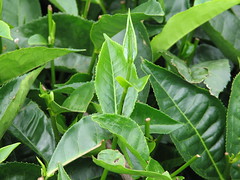
Black Tea Wine

Thursday, August 27, 2009


Photo by: sarahemcc

* 4 tablespoons bulk black tea
* 1 11-oz can frozen red or white grape concentrate, depending on desired color
* 2 lbs sugar
* 2 tsp citric acid
* 6 pts water
* 1 tsp yeast nutrient
* 1 pkt wine yeast

Bring water to a boil and pour over the tea and sugar, stir well, and infuse until cool. Strain into primary, add grape concentrate, acid, nutrient and yeast. Cover and ferment until s.g. drops below 1.020. Transfer to secondary, fit airlock and ferment to dryness. Rack when wine is clear and completely dry, top up and refit airlock. Rack again after 45 days, stabilize, refit airlock, and set aside for 3-4 weeks. Sweeten to taste if desired and bottle.


Have New Posts From Making Homemade Wine and Beer Delivered To Your Email

Read more...

How The Process Of Beermaking Is Done

Tuesday, August 25, 2009


How The Process Of Beermaking Is Done
Submitted by: Greg Hall

When you think of brewing you probably think of brewing a good cup of coffee. Brewing can also be the process of making alcoholic beverages as well. Beer is one of these beverages that brewing is used for and fermentation is used to make beer.

Brewing can be traced back to ancient Egyptian times. The fermentation process was discovered accidentally by the Sumerians. No one knows exactly how this occurred however as it was not written down. It is thought that it may have had something to do with the making of bread since many of the ingredients are the same and if left without cooking, or completely cooking the bread mixture can ferment. They were able to repeat the process and continue to create the drink, which they obviously enjoyed the first time it happened. The beer of this era could not be stored and did not have any foam. Beer was thought to contain a spirit or god because drinking the mixture seemed to possess the person who drank it.

Unlike wine where fruit juices are a big part of the ingredients, beer's major ingredients are malt and hops. Add to this yeast, sugars, and water and in the right combinations and with the right processes you will get beer. The first process to undergo is mashing. Mashing is where crushed malt and hot liquor are combined and kept at a constant temperature for about an hour so that the enzymes convert the starches into a fermentable sugar. The mash would be similar in consistency to cream of wheat or oatmeal.

Water is then filtered through the mixture to dissolve any remaining sugars. This is called sparging. The liquid that is heavy with sugar is known as wort. Boiling is now required to remove excess water, remove microorganisms, remove any sweetness, and develop bitterness. The wort is collected in containers called fermenting vessels.

The next step is fermentation; during this process yeast converts simple sugars into alcohol and carbon dioxide plus a wide range of flavors. Every yeast has its own flavor profile so this explains why each beer company has its own distinct flavor.

Packaging is the last step. At this stage the beer contains alcohol but not a lot of carbon dioxide. In order to fix this there are not a lot of options, the most common one used is forced carbonation by adding it directly to the keg or bottle. Casks for real ale, kegs for brewery carbonate beer, and cans or bottles for take away sales. During packaging you must be careful to not oxidize the beer or it will become stale. It depends on the person as to whether or not the beer is aged.

About Author: Gregg Hall is an author living in Navarre Florida. Find more about this as well as Home Beer Brewing at http://www.brewmybeer.com

Article Source:
ArticlesAlley.com

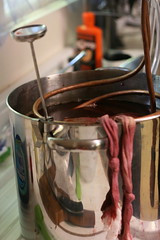
Photo by: colbs


Have New Posts From Making Homemade Wine and Beer Delivered To Your Email

Read more...

An Intro to Wine

Thursday, August 20, 2009


Guest Post by: Shireen Qudosi

An Introduction to Wine

What You Need to Know Beyond Just Red and White

With the rise in environmental awareness, there’s now a mushrooming rise of eco-friendly wine and wineries. There are three categories of eco-friendly wines: sustainable, organic, and biodynamic.

“Sustainable” means that grapes were grown with few to no chemical, fertilizers, pesticides, or herbicides. This method nurtures the soil naturally, whereas “organic” wines are grown in organically certified vineyards and are made without added sulfites.

On the other hand, “biodynamic” winemaking goes way beyond organics. With biodynamics, the farm is viewed as a living system. The soil is treated with complex compost preparations (of course without chemicals or pesticides), including quartz, yarrow flowers, stinging nettle, and more.

Biodynamic winemakers claim to have noted stronger, clearer, more vibrant tastes in their wines, as taste test conducted byFortune confirmed. Now all you have to do switch out bulky refrigerators for portable wine coolers, an energy efficient way to chill your wine.

If one of your hobbies is collecting exotic or expensive wines, then the next thing you have to think about is how you're going to maintain your investment. There are a lot of different types of wine storage units and between wine bottle coolers, wine racks, portable wine coolers, and wine cellars, it's easy to get confused.

However, with an easy to follow guide on the importance of storing your investment properly and a quick breakdown of the different types, you'll have this category covered. But before discussing the different options, it's important to understand why simple sticking a bottle or two in the fridge is far from adequate for storing your bottle of wine.

Wine Storage

When it comes to choosing a method for wine storage, you want to consider and compare the different features available to you. There are three basic types of wine cooler storage devices: wine bottle coolers, (multiple bottle) wine coolers, and wine cellars.

If you're a beginner, you may want to consider a wine bottle cooler, which also works great for dinners and smaller events. This way you can have the bottle temperature maintained while you dine. This is a particularly key table setting item if you expect the meal to last for a longer time. A wine cooler also adds a level of sophistication to any dinner or cocktail party, which you can never go wrong with

If you're collection is a little larger, then consider a wine coolerthat comes equipped with wine racks to prevent your bottles from clashing together. Wine coolers have advanced a long way and most (such as NewAir wine coolers) now also come with thermoelectric multiple independently controlled temperature zones for both red and white wines, touch screens, sleek lighting with glass doors, casters for mobility, as well as a wide variety of styles for various space needs, plus an ability to house anywhere between 14 to 32 bottles.

When buying a wine cooler, you should also understand the specific differences between a wine cooler and a wine cellar. If you have aging wines or a long term wine storage need then you need a more sophisticated wine cellar as opposed to just a wine cooler. Once you've understood the difference you want to consider the capacity you need for a wine cooler (or cellar). However, if you're a wine expert or have a larger collection, then a portable wine cellar is your go to purchase. Small or large, a wine cooler unit protects your investment (as well as its taste) until you're ready to drink it.

But above all, don’t be a wine hoard. Remember that wine is for enjoyment. Salu!

Source: Intro to Wine is brought to you by Air & Water, Inc.

Have New Posts From Making Homemade Wine and Beer Delivered To Your Email

Read more...

Homebrewing Becoming More Popular

Tuesday, August 11, 2009


In Geoff Haas' St. Paul basement, a few more batches of home brew bubble away. As he looks over the glass carboys sitting on the table, Haas said, "I've been pretty busy over the holidays, making some beer."


Haas is typical of a growing list of home brewers who are being bitten by the bug. For many of them, it begins with the notion of saving some money -- brewing your own beer and fermenting your own wine can be cheaper than buying it. But for the most avid hobbyists, it becomes an obsession over taste.


"I think now it's just more about the love of the process and the love of beer," Haas said

Read more at WCCO

Have New Posts From Making Homemade Wine and Beer Delivered To Your Email

Read more...

  © Blogger templates Newspaper II by Ourblogtemplates.com 2008

Back to TOP