Your Source For Making Wine and Beer

Cream Ale

Tuesday, September 16, 2008


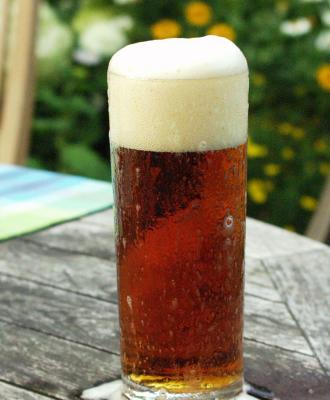
Photo By: thorntm

According to the BJCP a Cream ale or also referred to as a "creamer," is related to American lagers. They are generally brewed to be light and refreshing with a straw to pale golden color. Hop and malt flavor is usually subdued but some breweries give them a more assertive character. Two examples are Genesee Cream Ale (made by High Falls Brewing) and Little Kings Cream Ale (by Hudepohl-Schoenling Brewing.)

While cream ales are top-fermented ales, they typically undergo an extended period of cold-conditioning or lagering after primary fermentation is complete. This reduces fruity esters and gives the beer a cleaner flavor. Some examples also have a lager yeast added for the cold-conditioning stage or are mixes of ales and lagers. Adjuncts such as maize and rice are used to lighten the body and flavor although there are all-malt examples available.  Source: Wikipedia

Cream ale, also called American sparkling ale, is an American ale-hybrid style, now taken up residence in Canada. Coincidentally, it also came about in the late 1800s. It developed out of the need by the few remaining ale brewers to find a beer style with which to fight the battle of the marketplace against golden lagers. Lager won, and ale brewers continued their decline. As sales shrank, the remaining ale brewers cheapened and blandified their product until it was no longer worth a thought.

The style dwindled to just a few brands, but is now undergoing somewhat of a rebound--and a much needed improvement. Craft brewers, who have picked up the gauntlet of improving the style, are making it a more distinctive beer deserving of our attention.

A procedure that differentiates this hybrid from others is the cold lagering (age conditioning) it undergoes. It may be argued, as it long has been in some American brewing circles, that the primary determining factor in classifying beers is fermentation temperature, not yeast strain.

Use of corn grits and/or flakes is typical of the grain bill for cream ale, but not always so. Expect better of any microbrewery brands, and those from regional brewers who actually care about what they sell. Some are kraeusened, often with lager wort and yeast, to induce natural carbonation, as opposed to artificial carbonation. Natural carbon dioxide tends to produce a smoother mouthfeel. A combination of American and German hops may be used, as well as North American grains.

Color is pale to bright yellow to medium gold. Body should be light to medium. Hops should be subtle on the nose, with possibly some fruity notes. Bitterness is moderate, and these beers are well carbonated, spritzy, and refreshing in the manner of blonde lagers. Cream ale is appropriate for those hot, muggy North American summer days. Poorer examples are best drunk as cold as possible and quickly, before they warm.  Source: All About Beer


Read more...

Steam Beer

Tuesday, September 09, 2008

Photo by Orin Optiglot

A name trademarked by the Anchor Steam Beer brewery of San Francisco. This brewery's principal product is made by a distinctive method of bottom-fermentation at high temperatures and in unusually wide, shallow vessels. This technique, producing a beer with elements of both lager and ale in its character (though also distinctive in its own right), is said to have been common in California when, in the absence of supplies of ice, early brewers tried to make bottom-fermenting beers. The very lively beer was said to "steam" when the casks were tapped.   Source: Beer Hunter

Brewing Process:

In 19th-century California, not only ice, but even sources of naturally cold water, were probably unavailable to brewers. California brewers were forced to use lager yeast at higher ale temperatures.

Final flavors of beer are influenced by the strain of yeast and the fermentation temperature. Lager yeast is best used at temperatures from 55°F down to 32 °F. Classic lagering of beers takes place over a period of time from weeks to many months at a temperature of 45°F. Lager yeasts are bottom fermenting, which is to say that they ferment the wort while sitting on the bottom of the fermenter. Papazian, Charlie (2003). The Complete Joy of Home Brewing: 3rd Edition.

Ale yeast is best used at temperatures from 55°F to 75°F. Fermentation by ale yeasts produces a beer that has a distinctive ale flavor. Ale yeasts are Top-fermenting, that is they settle out on top of the wort after fermenting (fermentation itself takes place in a suspension. Papazian, Charlie (2003). The Complete Joy of Home Brewing: 3rd Edition. Steam Beer uses bottom fermenting lager yeasts at ale temperatures, which results in a very distinctive flavor profile that includes both ale and lager characteristics.

While steam beer is considered a specialty microbrew style of beer today, it was originally a cheap beer made for blue collar workers. Wahl & Heinus’ “American Handy Book of Brewing and Malting” (1902) describes California Steam Beer as “a very clear, refreshing drink, much consumed by the laboring classes.” And while Anchor Steam is an all-barley malt beer, additives were often used in the early days. According to Wahl & Heinus’ book, “Malt alone, malt and grits, or raw cereals of any kind, and sugars, especially glucose, employed in the kettle to the extent of 33 1/3 percent…. Roasted malt or sugar coloring is used to give the favorite amber color of Munich beer.”

Source:
Wikipedia

Other Articles Worth Reading

Steam Beer at Brew Your Own Magazine
California Steaming at Brewing Techniques
Anchor Brewing

Have New Posts From Making Homemade Wine and Beer Delivered To Your Email

Read more...

10 Tips for a Succesful Harvest Day

Thursday, September 04, 2008

Nice article from Winemaker Magazine.

Harvest comes once per year and being prepared is vital. You can’t make up for poor farming in the last week before harvest, but you can prepare your home vineyard for harvest just like the pros. An entire year’s work in the vine rows can either pay off in delicious wine or it can produce wine that underperforms and makes you wonder why you went to all the trouble of growing grapes.

My job is to shove you gently toward the delicious and away from the disappointing. I’ve written articles on most aspects of backyard grape farming. (I’ve also met many of you and answered your questions at the wonderful WineMaker Conference in Sonoma this past May.) However, I’ve never broken down my professional harvest experiences into a top ten list for what to do in the days leading up to harvest.

The take home message is this: farm smart all year and then make that hard work count by being fully prepared when the alarm clock goes off on harvest day. Happy snipping!

Get the 10 tips from Winemaker Magazine


Have New Posts From Making Homemade Wine and Beer Delievered To Your Email

Read more...

Altbier

Tuesday, September 02, 2008


Alt is German for "old", and these beers are of a style older than the lagered beers, a remnant of the time before lager was invented. Altbier is top fermented then cold lagered for a few weeks. Altbiers are copper-bronze in colour and mostly brewed around Düsseldorf. Altbier is the closest Germany gets to the style of a British bitter but the lagering period gives them a quite different character. The best English bitters are cask-conditioned or bottle-conditioned but Germany does not have the tradition of cask-conditioning ales so Altbiers are not cask-conditioned and, when bottled, are not bottle-conditioned. Generally around 4.8abv, mildly fruity, with a typically dry finish, there is more hop bitterness here than in most German beers. A good sessional drink, and goes well with cheese. Source: German Beer Guide


A little history from Wikipedia.com

The Bavarian Reinheitsgebot (beer purity law; literally "purity order") of 1516 was drawn up to ensure the production of decent-quality beer; however, this decree did not affect brewers of the Rhineland. As such, the brewing traditions in this region developed slightly differently. For example, brewing during the summer was illegal in Bavaria, but the cooler climate of the Rhineland allowed Alt brewers to brew all year long and to experiment with storing fermented beer in cool caves and cellars.

The name "altbier" first appeared in the 1800s to differentiate the beers of Düsseldorf from the new pale lager that was gaining a hold on Germany. Brewers in Düsseldorf used the pale malts that were used for the modern pale lagers, but retained the old ("alt") method of using warm fermenting yeasts.
The first brewery to use the name Alt was Schumacher which opened in 1838. The founder, Mathias Schumacher, allowed the pale ale to mature in cool conditions in wooden casks for longer than normal, and laid the foundation for the modern alt beer - an amber coloured, lagered ale. The result is a pale ale that has some of the lean, dryness of a lager, with the fruity notes of an ale.

I have tried a few locally brewed Altbiers and have found them to be quite tasty. For a recipe on how to make an Altbier, try this one: German Altbier.


Subscribe to Making Homemade Wine and Beer by Email


Read more...

  © Blogger templates Newspaper II by Ourblogtemplates.com 2008

Back to TOP