Follow Me On Twitter


Cream Ale
Tuesday, September 16, 2008

According to the BJCP a Cream ale or also referred to as a "creamer," is related to American lagers. They are generally brewed to be light and refreshing with a straw to pale golden color. Hop and malt flavor is usually subdued but some breweries give them a more assertive character. Two examples are Genesee Cream Ale (made by High Falls Brewing) and Little Kings Cream Ale (by Hudepohl-Schoenling Brewing.)
While cream ales are top-fermented ales, they typically undergo an extended period of cold-conditioning or lagering after primary fermentation is complete. This reduces fruity esters and gives the beer a cleaner flavor. Some examples also have a lager yeast added for the cold-conditioning stage or are mixes of ales and lagers. Adjuncts such as maize and rice are used to lighten the body and flavor although there are all-malt examples available. Source: Wikipedia
Cream ale, also called American sparkling ale, is an American ale-hybrid style, now taken up residence in Canada. Coincidentally, it also came about in the late 1800s. It developed out of the need by the few remaining ale brewers to find a beer style with which to fight the battle of the marketplace against golden lagers. Lager won, and ale brewers continued their decline. As sales shrank, the remaining ale brewers cheapened and blandified their product until it was no longer worth a thought.
The style dwindled to just a few brands, but is now undergoing somewhat of a rebound--and a much needed improvement. Craft brewers, who have picked up the gauntlet of improving the style, are making it a more distinctive beer deserving of our attention.
A procedure that differentiates this hybrid from others is the cold lagering (age conditioning) it undergoes. It may be argued, as it long has been in some American brewing circles, that the primary determining factor in classifying beers is fermentation temperature, not yeast strain.
Use of corn grits and/or flakes is typical of the grain bill for cream ale, but not always so. Expect better of any microbrewery brands, and those from regional brewers who actually care about what they sell. Some are kraeusened, often with lager wort and yeast, to induce natural carbonation, as opposed to artificial carbonation. Natural carbon dioxide tends to produce a smoother mouthfeel. A combination of American and German hops may be used, as well as North American grains.
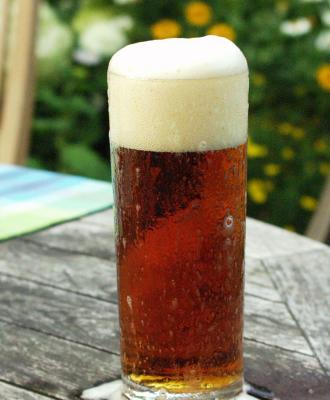
Color is pale to bright yellow to medium gold. Body should be light to medium. Hops should be subtle on the nose, with possibly some fruity notes. Bitterness is moderate, and these beers are well carbonated, spritzy, and refreshing in the manner of blonde lagers. Cream ale is appropriate for those hot, muggy North American summer days. Poorer examples are best drunk as cold as possible and quickly, before they warm. Source: All About Beer